
Direct Answer for Property Owners
A sump pump lowers the subterranean water table beneath your basement concrete slab, collecting rising groundwater inside a perforated basin and discharging it outside before it can pool on the floor. While a cast-iron sump pump and dual battery backup system effectively prevent sub-surface hydrostatic flooding, it cannot stop rainwater entering through above-ground foundation cracks, overflowing gutters, or poor surface yard grading, which must be addressed externally.
Summary Guide
Waterbury steep hillside terrain and shallow granite ledge create severe hydrostatic water pressure against home foundations. Learn how high-capacity cast-iron sump pumps and battery backups protect basements from spring runoff and torrential storms.
Why Waterbury hillside topography funnels groundwater into basements
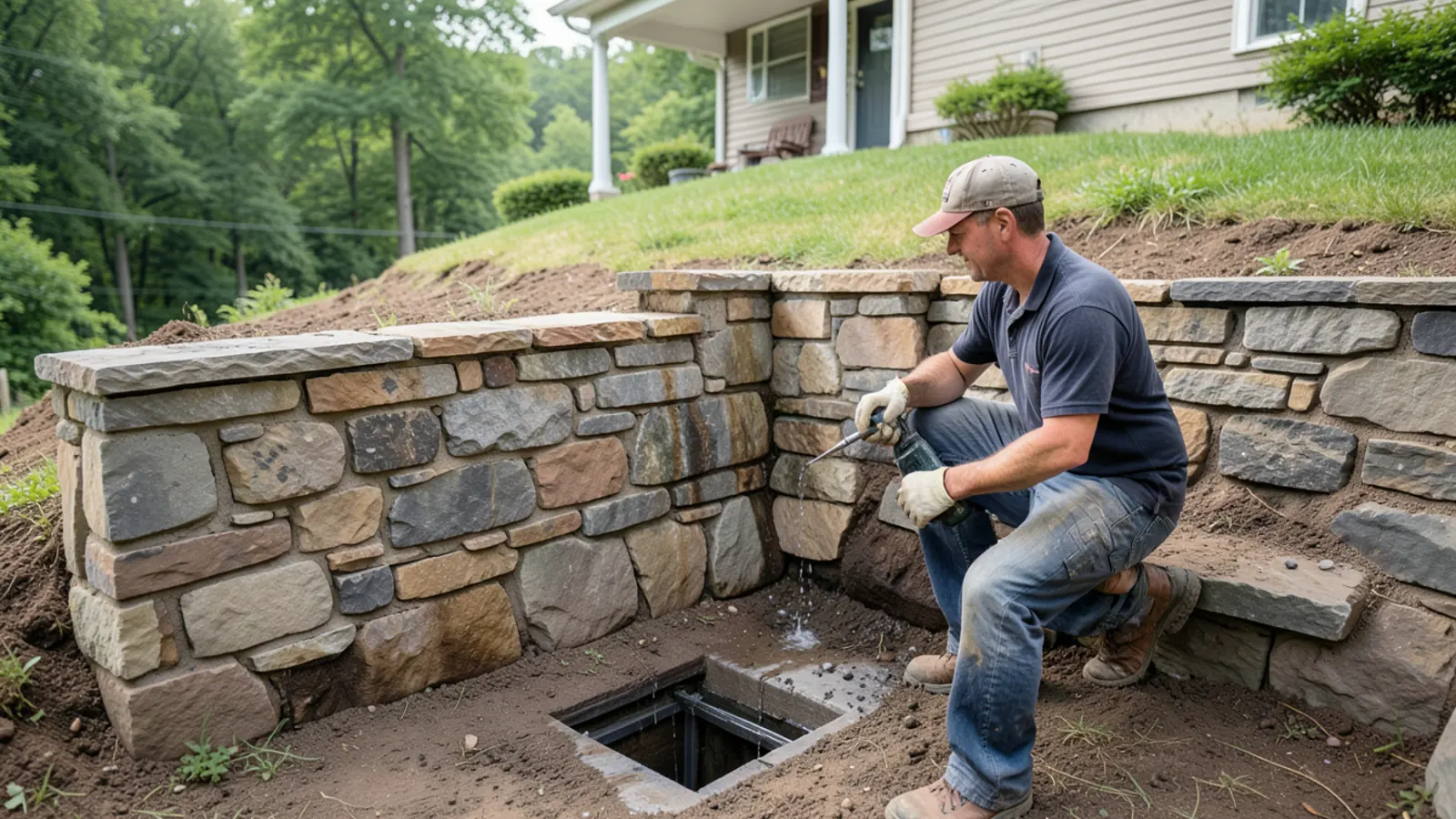
Waterbury is known for its dramatic topography, with neighborhoods like Town Plot, Bunker Hill, Overlook, and Washington Hill rising sharply from the Naugatuck River basin. Beneath the surface soil of these ridges lies shallow glacial granite ledge.
When torrential rains or heavy winter snowmelts occur across the upper valley, water percolates into topsoil but cannot penetrate the impermeable bedrock below. Trapped above the ledge, subterranean water flows rapidly downhill following the natural contour of the slope.
When this subterranean water path intersects an excavated home foundation, immense hydrostatic pressure builds against the subterranean walls and floor slab. Water seeks the path of least resistance, forcing its way through cold joints where poured slabs meet foundation footings, through mortar gaps in century-old fieldstone, and up through floor cracks.
Direct Local Dispatch
Need help with your Waterbury plumbing?
Waterbury Basement Sump Pump Seasonal Maintenance Checklist
- •Pour a 5-gallon bucket of water into the sump basin to verify that the float switch activates smoothly.
- •Inspect the intake screen at the pump base and clear away pebbles, silt, and accumulated sediment.
- •Check the silent check valve above the pump to ensure water does not backflow into the basin when the motor stops.
- •Inspect the 12-volt auxiliary backup battery voltage and confirm terminal connections are free of acid corrosion.
- •Verify that the exterior discharge line extends at least 10 to 15 feet away from the foundation and remains unblocked.
- •Test the high-water audio alarm to ensure you are alerted immediately if the water level exceeds the primary pump activation height.
Waterbury Basement Water Problems: Sump Pump Solutions vs External Remediation
| Symptom / Water Infiltration Source | Root Hydrological Cause | Can a Sump Pump Fix It? | Recommended Permanent Remediation |
|---|---|---|---|
| Water bubbling up through slab cracks or floor seams | Hydrostatic pressure from high subterranean water table | Yes, primary engineered function | Perforated sump pit with 1/2-HP cast-iron pump and interior perimeter drain tile |
| Water weeping through mortar joints in fieldstone walls | Lateral moisture migration through porous foundation stone | Partially (removes water once it hits floor) | Perimeter French drain along wall base; breathable hydraulic lime re-pointing |
| Water pooling around window wells during heavy rain | Inadequate surface grading and clogged window well gravel | No (surface runoff issue) | Re-grade soil away from foundation (1-inch drop per foot); install clear window well covers |
| Basement flooding during intense electrical storms | Utility power outage disabling primary electric pump | Yes, with battery backup | Install 12V marine battery backup pump with dual mechanical float switches |
| Damp air, musty mildew odors, and efflorescence | Capillary moisture evaporation through concrete slab | No (ambient moisture issue) | Install heavy-duty polyethylene vapor barrier and commercial basement dehumidifier |
How a perforated sump pit and perimeter drainage channel water
A properly engineered sump pump system does not merely pump away water after it floods a cellar floor; it fundamentally manages and relieves hydrostatic pressure beneath the home.
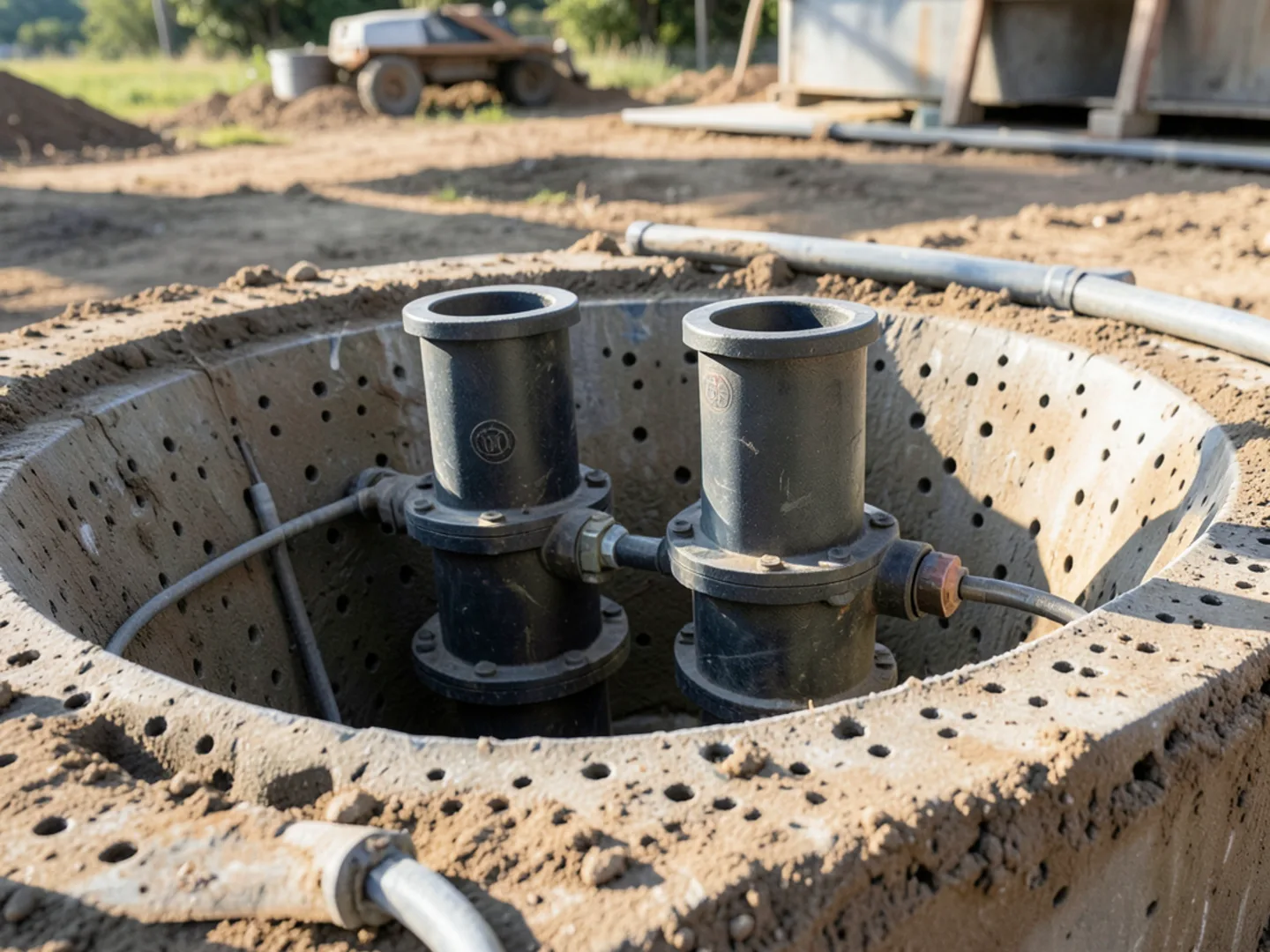
The core of the installation is a heavy-duty, perforated structural foam or polyethylene basin excavated into the lowest point of the basement floor, surrounded by clean washed crushed gravel. Perforations allow rising subterranean water to flow freely into the basin while filtering out silt and sand.
In homes experiencing chronic groundwater infiltration across multiple walls, an interior perimeter drain tile—a perforated Schedule 40 PVC pipe embedded in crushed stone beneath the perimeter edge of the slab—channels rising water directly into the sump pit. By keeping water levels inside the pit 6 to 12 inches below the bottom of the concrete floor, the system effectively lowers the subterranean water table, keeping basement floors dry and usable.
Cast-iron submersible pumps versus thermoplastic pedestal units
When selecting a sump pump to protect a Waterbury home, equipment build quality directly dictates reliability. Budget-grade pedestal pumps and lightweight plastic submersible units sold at consumer retail outlets are poorly suited to the heavy continuous workloads demanded by Connecticut hillside runoff.
Plastic impellers frequently warp under thermal stress, and lightweight housings vibrate loose in deep basins. Furthermore, retail pumps often utilize cheap tethered floats that become trapped against basin walls, preventing the pump from turning on during critical moments.
Our licensed plumbers install professional-grade cast-iron submersible pumps engineered with oil-filled motor chambers, vortex non-clogging cast-bronze or cast-iron impellers, and vertical solid-state or dual mechanical float switches. The heavy cast-iron housing dissipates heat efficiently through surrounding basin water, allowing 1/3-HP or 1/2-HP motors to run continuously for hours during major rainstorms without thermal overload failure.
Why battery backup sump pumps are mandatory during New England storms
The most intense rainstorms and nor easters in the Upper Naugatuck Valley are frequently accompanied by severe wind gusts, falling tree branches, and utility electrical blackouts. If your primary sump pump relies exclusively on 120-volt grid power, a power outage disables your basement defense system at the exact moment groundwater pressure reaches its peak.
A dual-pump configuration featuring a dedicated 12-volt DC battery backup pump provides essential emergency redundancy. The secondary pump is positioned slightly higher in the basin than the primary pump, with its own dedicated float switch and check valve.
If the primary pump fails due to electrical outage, mechanical switch failure, or overwhelming water volume, the auxiliary battery backup pump engages automatically. Powered by a heavy-duty deep-cycle marine AGM battery and monitored by an intelligent microprocessor charging station, the backup system can pump over 10,000 to 15,000 gallons of water on a single charge, keeping your basement safe until main power is restored.
What a sump pump cannot fix: exterior grading and gutter management
While a sump pump is an indispensable tool for managing sub-surface groundwater, it is not a cure-all for all sources of basement dampness. A sump pump cannot prevent surface water from entering your foundation if roof runoff is mismanaged.
A standard 1,500-square-foot roof sheds nearly 1,000 gallons of water during a single 1-inch rainstorm. If gutter downspouts terminate right next to foundation walls, or if landscaping soil slopes inward toward the house, thousands of gallons of surface water pour directly against basement walls, overwhelming window wells and creating wall seepage.
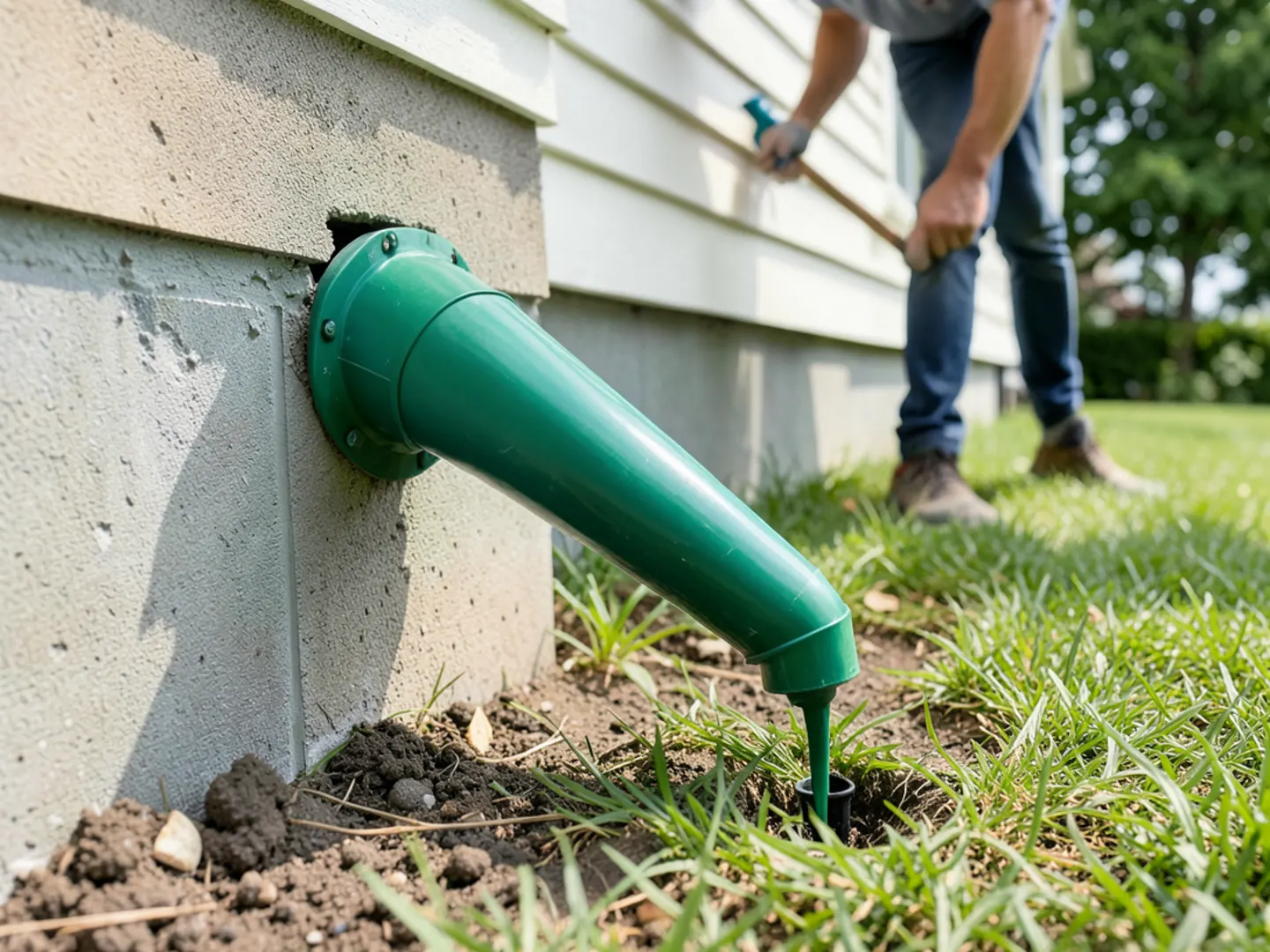
Homeowners must complement interior sump pumps with basic exterior maintenance: extending gutter downspouts at least 10 feet away from the foundation, re-grading surface soil to achieve a slope of 1 inch per foot away from the house for the first six feet, and sealing above-grade masonry cracks with hydraulic cement.
Master Plumber Technical Insights
Waterbury steep glacial hills—particularly in Bunker Hill, Town Plot, and Overlook—rest upon impermeable granite and gneiss bedrock located mere feet beneath the topsoil. During autumn rainstorms and spring snowmelts, groundwater cannot penetrate into the solid ledge. Instead, it flows downhill beneath the soil like an underground river, slamming directly into basement foundation walls. This creates intense hydrostatic head pressure that easily penetrates fieldstone mortar joints and concrete slab seams.
In the City of Waterbury, municipal regulations strictly prohibit discharging sump pump groundwater into the public sanitary sewer system. Connecting your sump pump discharge line to a basement sink, laundry standpipe, or sanitary sewer stack violates Waterbury Water Pollution Control (WPC) regulations and can result in heavy municipal fines. Sump pump discharge must be routed through dedicated exterior PVC lines discharging out to daylight or into an approved drywell well away from building foundations.
Frequently Asked Questions
Licensed Master Plumber Staff
Technical guidance verified by a State of Connecticut licensed Master Plumber (P-1 #0286392). Based at 232 Bradley Ave, Waterbury, CT.